Wood, Vinyl, or Chain Link? Explore the Top Fencing Choices for Your Home
When considering fence choices, homeowners are presented with a number of choices. Chain link, wood, and vinyl each present unique benefits and limitations. The selection relies on considerations like maintenance, budget, and aesthetics. Recognizing these factors is essential for identifying the best fitting choice. What could seem uncomplicated initially can rapidly grow complicated as individual needs and preferences come into play. Examining these elements will uncover which fencing type best aligns with specific requirements.
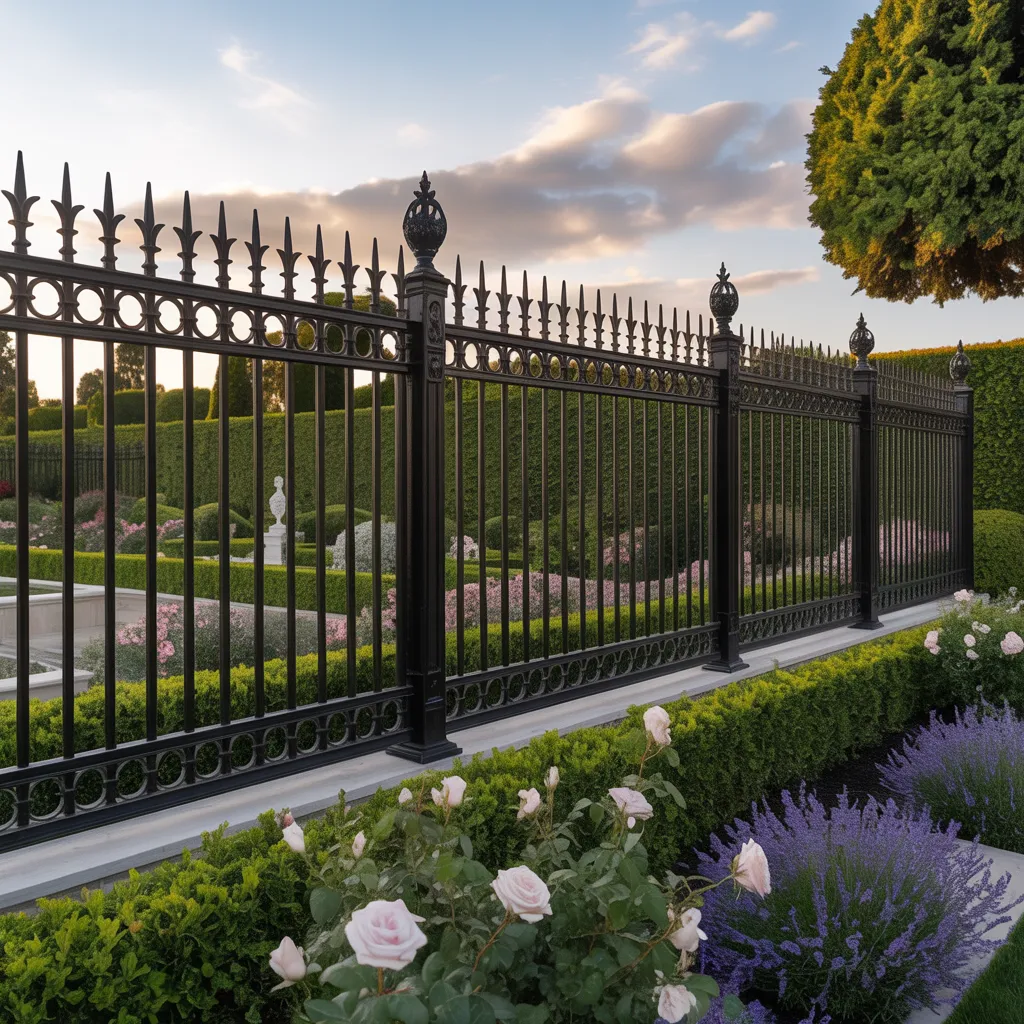
How to Find the Best Fence to Suit Your Needs
When deciding how to pick the most suitable fence for your needs, several essential factors come into play. To begin, the main objective of the fence needs to be identified. Whether for privacy, security, or boundary delineation, knowing the primary goal helps direct the decision-making process. Furthermore, the choice of material is critically important; materials such as wood, vinyl, and chain link all come with their own advantages and disadvantages. Additionally, the surrounding climate and ongoing maintenance needs deserve careful thought, as some materials withstand weather conditions better than others. Aesthetics also matter, as the fence should complement the property's overall design. Lastly, applicable zoning rules and property boundaries need to be checked to confirm legal compliance and sidestep potential disagreements. By evaluating these factors, homeowners can make informed decisions that align with their needs and preferences, resulting in a fencing outcome they can be truly satisfied with.
Breaking Down the Costs of Wood, Vinyl, and Chain Link Fencing
When evaluating fencing materials, expenses play a significant role in making informed decisions. Upfront installation costs, ongoing maintenance expenses, and potential property value must be thoroughly considered. Each material—vinyl, wood, and chain link—offers unique financial implications that may affect the overall investment.
Initial Setup Expenses
Initial installation expenses for fencing can vary greatly based on material choice, with wood, vinyl, and chain link presenting distinct financial implications. Wood fencing typically incurs moderate costs, affected by the wood species chosen and associated labor costs. Vinyl fencing, while often more expensive upfront, provides a long-lasting appearance and durability that some homeowners find justifies the expense. Conversely, chain link fencing tends to be the least expensive option when it comes to initial setup, making it an attractive choice for budget-conscious projects. That said, the decision should account for more than just installation expenses, including the planned purpose and visual preferences, as these factors can greatly impact the overall value of the investment.
Long-Term Maintenance Costs
Ongoing maintenance expenses can greatly influence the total worth of a fencing expenditure. Timber fencing commonly demands routine maintenance, including painting or staining every few years to prevent rot and warping, causing increased recurring costs. Vinyl fencing, while pricier at the outset, frequently becomes economical over time, as it requires minimal maintenance; routine cleaning is generally all that is needed. in-depth article In contrast, chain-link fencing is the most affordable choice regarding ongoing upkeep. It generally requires little more than periodic rust prevention and cleaning to maintain its appearance and structural integrity. Homeowners must consider these ongoing financial commitments when deciding on a fencing option, as they can significantly affect the full financial commitment over the years.
Resale Value Factors
Fencing options can markedly influence a property's market value, making it essential for homeowners to assess their choices thoroughly. A wood fence, while classic and visually appealing, may require more maintenance, which can deter potential buyers. Vinyl fence options provides a balance of durability and low upkeep, attracting buyers who want durable options. However, its upfront expense can be greater than wood or chain link alternatives. A chain link fence, the most affordable option, may lack the same aesthetic charm, possibly reducing buyer enthusiasm. At the end of the day, the choice should consider current trends and area norms, as attractive fencing can boost curb appeal and draw in buyers, while unsuitable options could reduce the property's overall worth.
Perks of Wood Fencing
Wooden fencing delivers numerous advantages that render it a popular choice among homeowners. A key advantage is its visual attractiveness; wood fencing can improve the overall appearance of any property, suiting a wide range of architectural styles. In addition, wood is highly customizable, allowing for various styles, dimensions, and finishes to match unique tastes and requirements.
Another significant advantage is its inherent insulation qualities, which can lower sound transmission and improve seclusion. Wood fencing is also eco-friendly, as it is a sustainable resource that can be ethically obtained. Moreover, wood can be processed and upkept to secure lasting durability, with routine maintenance prolonging its useful life.
Cost-effectiveness is also an important factor, as wood fencing frequently provides a more affordable upfront cost than many alternative materials. Taken together, these qualities make wood fencing a versatile and attractive option for those seeking to define their property boundaries.
The Benefits of Vinyl Fencing
Vinyl fencing offers significant advantages, particularly in the minimal upkeep it demands. Unlike wood, it resists rotting, warping, and pest damage, guaranteeing long-lasting durability. This makes vinyl an attractive choice for homeowners in search of a dependable and long-lasting fence.
Minimal Maintenance Needs
Opting for a low-maintenance fence option can greatly ease the burden of regular upkeep. Vinyl fencing is renowned for its low-maintenance nature. As opposed to wood, which commonly demands staining or painting, vinyl maintains its color and aesthetic without the need for such processes. It offers resistance to rot, rust, and insect damage, removing the necessity for regular repairs or replacements. Maintaining vinyl through cleaning is uncomplicated, needing just a basic wash with soap and water to clear away dirt and debris. This not only saves time but also reduces long-term costs associated with maintenance. Residents can take pleasure in the attractive appearance of vinyl fencing without the continual care that other materials necessitate. In the end, vinyl fencing offers a sensible option for those looking for a low-effort outdoor boundary.
Resilience And Long-Term Performance
While many fencing materials succumb to wear and tear over time, vinyl fencing delivers remarkable resilience and longevity that makes it a superior selection for homeowners. As opposed to wood, which may rot, warp, or become infested with pests, vinyl is unaffected by these concerns, maintaining its appearance and structural integrity for years. It repels moisture and UV damage, guarding against discoloration and decay. Furthermore, vinyl requires no painting or staining, which greatly extends its service life. Numerous manufacturers offer warranties that ensure longevity, frequently covering up to 25 years or beyond. This resilience makes vinyl fencing not only a cost-effective option in the long run but also a reliable choice for those seeking a low-maintenance and long-lasting fencing solution.
Main Benefits of Chain Link Fencing
Chain link fences provide an effective option for individuals who need security and visibility without breaking the bank. Its see-through construction helps residents preserve clear views while protecting their property. This fencing type is highly desirable for commercial, residential, and industrial settings, establishing a protected space without obstructing views.
In addition, chain link fences are highly customizable, found in a variety of heights, gauges, and coatings, providing tailored solutions to fit specific needs. The setup process is typically faster and more efficient than other fencing solutions, lowering labor expenses.
Furthermore, chain link fencing is durable and resistant to a wide range of weather conditions, ensuring it stands the test of time. The low level of maintenance it requires greatly adds to its desirability, as occasional cleaning is usually sufficient to keep it in great condition. Overall, chain link fencing blends cost-effectiveness, functionality, and adaptability, making it a popular choice for many property owners.
Maintenance Needs for Different Fencing Types
Upkeeping a fence requires a clear understanding of the unique demands tied to different materials. A wood fence demands periodic maintenance to protect against rot and insect damage, usually calling for staining or a protective seal every few years. Vinyl fencing is generally low-maintenance, calling for only occasional washing with mild soap and water to remove dirt and stains. That said, it is crucial to inspect for cracks or fading over time.
Chain link fences require very little maintenance; a quick rinse with a garden hose is generally sufficient. Nevertheless, rust can develop if the protective layer becomes damaged, requiring regular inspections and touch-ups with rust-resistant paint.

Questions We Often Receive
How Long Can You Expect Each Type of Fence to Last?
In most cases, wood fences are known to last 10 to 15 years, vinyl fencing can withstand 20 to 30 years, and chain link fences can typically endure between 15 and 20 years, depending on maintenance and environmental conditions.
Can These Fences Be Installed by Myself?
Yes, individuals can install these fences themselves, however the complexity varies. Standard tools and setup instructions are typically enough, but professional knowledge may be required for precise measurements and securing materials properly to guarantee lasting stability.
What Color Options Are Available for Vinyl Fencing?
Vinyl fences come in many different colors, including white, beige, gray, and tan. Many manufacturers also supply unique colors or finishes, enabling homeowners to select choices that align with their personal style.
What Environmental Concerns Exist Regarding These Materials?
Ecological issues emerge with particular fencing materials, particularly regarding their production and end-of-life management. Vinyl fencing may emit toxic substances, while the harvesting of wood can lead to deforestation. Chain link fencing, commonly manufactured from recycled materials, presents fewer environmental concerns.
How Do Local Zoning Laws Impact Fencing Choices?
Local rules significantly impact fencing choices, commonly specifying placement, height, and material. Residents are required to check homeowners' association guidelines and zoning laws to confirm conformity, avoiding potential fines and required alterations to their fencing projects.